Will my renter’s insurance cover me if my dog bites someone?

No one expects their beloved family pet to bite, well, anyone. Dogs can bite for reasons out of our control. Even if Buddy or Max would never hurt a fly, they could bite a guest if they are startled, feeling ill, or senior and confused. What would happen then? You might be held responsible for your dog’s actions, even if they were provoked by a guest or a child into biting.
Home, tenant, and condo policies include liability coverage
As a tenant, you may have renter’s insurance – which generally include third-party liability coverage that can offer you protection in the event that you are held responsible for damages to someone else’s property or for an injury. This includes your dog. If your dog causes injury or damages property, you’re on the line. However, there may be exceptions to this depending on where you live – in some instances if a dog walker or sitter is in charge of your dog, liability will fall on them or on both of you.
While, yes, your liability coverage would offer protection for dog bite liability expenses, there are exceptions. Some dog bites will not be covered if the bite came from a “high-risk” breed – i.e, dogs with a history of biting or dog breeds that are blacklisted by your insurer. Some providers do not have these exceptions whereas other providers will have a specific list. If you have a dog, you should familiarize yourself with the exceptions that your company lists.
Blacklisted breeds may sometimes include, but not always, the following dogs:
- Pit bull terriers
- Akitas
- Mastiffs
- Rottweilers
- Cane Corso
- Doberman Pinschers
- Wolfdogs
- German Shepherds
- Doberman Pinschers
That being said, every company has its own list based on their opinion of the risk that certain dogs may possess. t is possible that even one instance of a broadcasted dog bite may result in a breed being blacklisted, even if some breeds don’t seem particularly risky.
Preventing dog bites
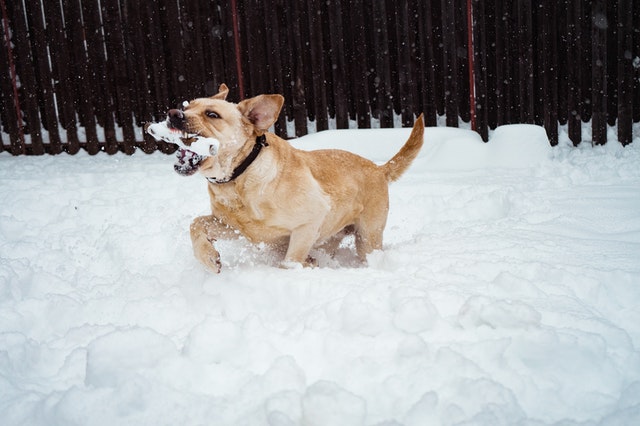
The best way to avoid having to make a claim altogether is by preventing the bite in the first place. A growl is a gift. If your dog or a dog that you are interacting with is growling, they’re telling you to back off. Dogs never bite for “no reason.”
The number one reason for dog bites, according to a study in the journal “Advances in Animal and Veterinary Sciences” is the victim provoking the dog. Victims tend more often to be children who generally do not have the ability to appropriately handle interactions with animals, especially dogs who might be more sensitive than others.
Here are some tips for preventing dog bites:
- Look after your dog’s basic needs: food and water, exercise, basic grooming, health, etc.
- Have your dog checked up by a vet once a year. Sometimes normally easy-going dogs will bite because they are feeling unwell or are injured.
- If your dog has a bite history, invest in a muzzle and muzzle-conditioning.
- If your dog is uncomfortable around guests, have them hang out in a separate room with toys and food while guests are over – or confine them to a kennel if they are crate-trained or bar them off with baby gates.
- Socialize your dog when it is young or when you first adopt it.
- Train your dog appropriately.
- Hire a professional trainer if your dog’s behaviour is unmanageable.
- If your dog is a young puppy and is particularly mouthy, redirect them to a nearby toy.
- Advocate for your dog’s space and advise people on how best to interact with your pet – or not at all, if your dog is skittish or may get overexcited.
- Always supervise children who are around your dog.
What to do after a dog bite
If your beloved family pet does bite someone and you are held liable, what do you do? In Canada, there around 500,000 dog bites every year. While many of these bites – if not most – are preventable, accidents do happen. Here is what to do after a dog bite:
- Immediately separate the dog and person to prevent further injury. If need be, you may need to kennel the dog, tether it, or put it in a separate room and close the door.
- Seek immediate medical assistance of the bite or bites are severe.
- Treat the person who was bitten. Wash the wound, stop the bleeding with paper towels or gauze, and apply pressure.
- Check to see if your dog’s vaccinations are up to date. If there is a chance your dog’s rabies’ vaccination may not be current, this is something you should share with emergency medical providers.
- Get the statements and contact information from any witnesses.
- If law enforcement arrives at the scene, step back and let them assess the scene. In a critical situation, they may have to temporarily remove the dog.
- Contact your insurance provider.
Once you have gotten in touch with your insurance provider, explain as much as possible about the circumstances. Tell them about the bite and give them as much detail as you can. An agent or insurance adjuster may come to discuss with the injured party, who may contact an attorney.
Dog “laws” vary from province to province. Technically, owning a dog is a huge liability risk as owners can be sued. Liability may be established based on whether or not the owner knew that their dog was a bite risk. f the dog has no history of aggression, owners may not be liable. This is also true if the bite was provoked.
All in all, owning a dog is a responsibility – just like owning a car is. You are responsible for monitoring, caring for, and handling your dog. If you feel as though your dog may be a potential bite risk or has a history of bites, contact a professional dog trainer to help you.